
What to Do After a Hailstorm: A Step-by-Step Guide
Hailstorms can appear out of nowhere — especially here in the Chicago area. One minute the sky is clear, the next your car is peppered with dents. It's stressful, but the good news is that hail damage is very repairable. The key is knowing exactly what to do right after the storm so you can protect your safety, your insurance claim, and your vehicle's value.
Follow these steps in order and you'll be in the best position to get your car back to pre-storm condition as quickly and smoothly as possible.
Step 1: Stay Safe — Wait for the Storm to Pass
This sounds obvious, but resist the urge to run outside and check on your car while hail is still falling. Hailstones can be anywhere from pea-sized to baseball-sized, and either can cause serious injury. Lightning frequently accompanies hailstorms as well.
Stay inside, away from windows, until the storm has fully passed and it is safe to go outside. Your car can wait a few extra minutes — you cannot be replaced.
Step 2: Assess the Damage
Once it's safe, do a thorough walk-around of your vehicle in good lighting. Don't rush this step. Look carefully at every panel:
- Hood, roof, and trunk lid — these take the most direct impact
- Doors and side panels
- Windshield, rear glass, and side windows
- Side mirrors and any exposed trim
Some dents can be subtle, especially on curved panels or darker paint colors. The roof is easy to overlook from ground level — if you can safely get a step stool, take a look up there too. Note any cracked or shattered glass, as this is a safety issue that may affect whether the car is drivable.
Step 3: Document Everything Before Touching Anything
Before you move the car or do anything else, document the damage thoroughly with your phone. This is one of the most important steps for your insurance claim.
- Photograph every dent, crack, and chip from multiple angles
- Take wide shots showing the full vehicle, and close-ups of individual damage areas
- Record a slow walkthrough video around the entire car
- Note the date, time, and exact location where the vehicle was parked during the storm
The more documented evidence you have upfront, the less back-and-forth you'll have with your insurance company later.
Step 4: Move Your Vehicle to a Covered Location
If more storms are in the forecast and you have access to a garage or covered parking structure, move your car there. Additional hail events will compound the damage and complicate your claim.
If your windshield is cracked, use caution — a compromised windshield is a structural safety component and can worsen with road vibration. Avoid highway driving until it's been assessed by a professional.
Step 5: Contact Your Insurance Company
Call your insurance provider as soon as possible to report the hail damage. Hail damage is typically covered under comprehensive auto insurance (not collision), so your collision deductible won't apply — but verify this with your specific policy.
When you call, have the following ready:
- Your policy number
- Date, time, and location of the storm
- Your photo and video documentation
- A description of the visible damage
Your insurer will either send an adjuster to inspect the vehicle or direct you to an approved shop for an estimate. Ask about your deductible so there are no surprises.
Step 6: Get a Professional Damage Estimate
Don't try to assess the full extent of damage yourself. What looks like a handful of surface dents could involve deeper panel issues, paint damage, or glass integrity problems that only a trained technician can properly identify.
Bring your vehicle to a reputable local auto body shop for a thorough written estimate. A good shop will inspect every panel, check all glass, and provide a detailed breakdown you can submit to your insurance carrier.
Step 7: Understand Your Repair Options
Depending on the severity of the damage, your shop will likely recommend one or both of these approaches:
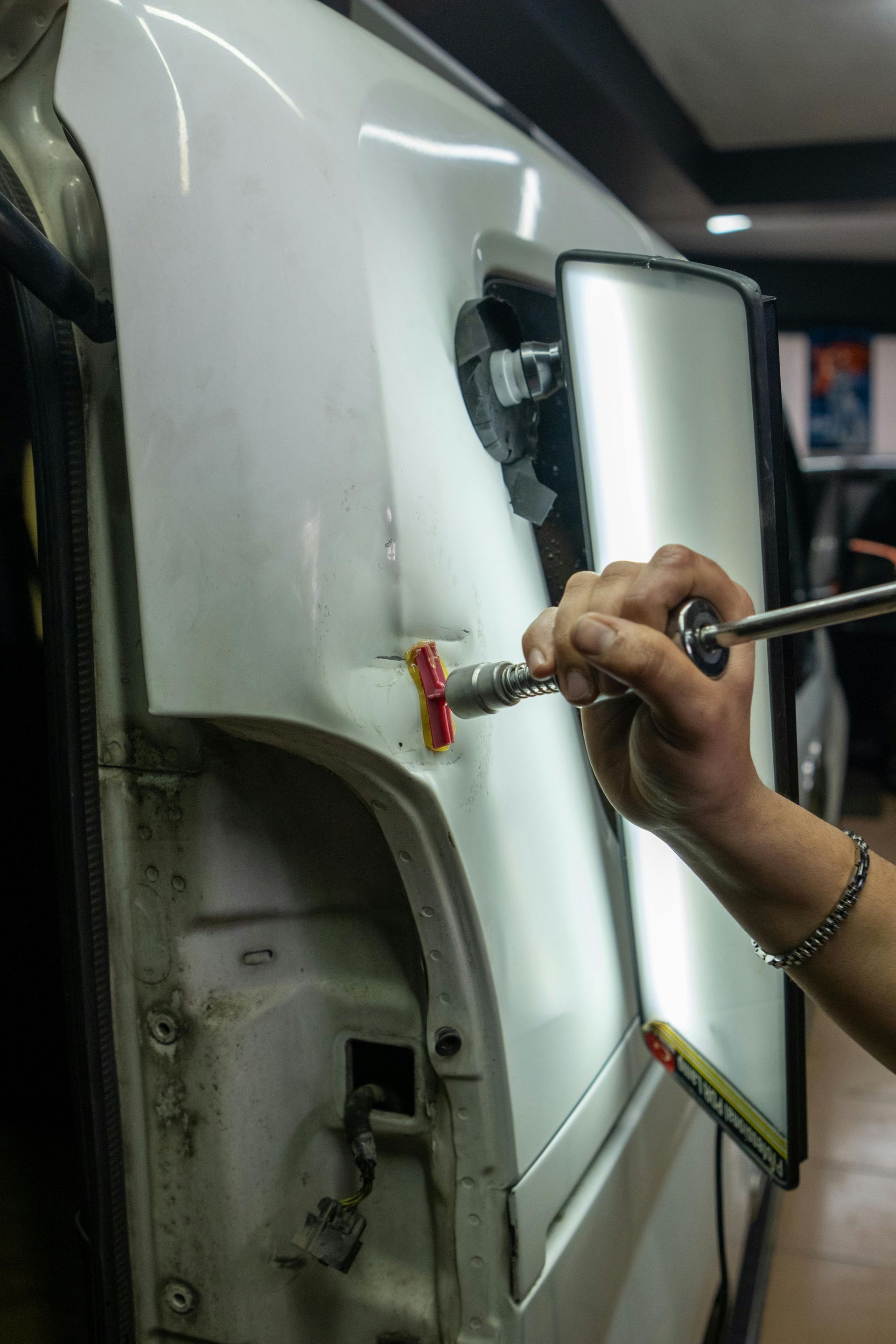
- Paintless Dent Repair (PDR): The preferred method for hail damage when paint is intact. Technicians use specialized tools to massage dents out from behind the panel without disturbing the original paint. It's faster, more cost-effective, and preserves your factory finish.
- Traditional Body Repair: Used when dents are too deep, paint is cracked or chipped, or a panel needs to be replaced. Involves sanding, filling, repainting, and color blending.
Many hail repair jobs are primarily PDR with a small amount of traditional repair for particularly severe impact zones. Your technician will recommend the right approach for each area of the vehicle.
Step 8: Authorize the Repair and Confirm Coverage
Once you have your estimate and have aligned with your insurance company, go ahead and authorize the repair. Make sure you understand your out-of-pocket deductible amount before work begins. Ask your shop whether they work directly with your insurer — many shops offer direct billing, which simplifies the process and speeds up turnaround time significantly.
Step 9: Watch Out for Storm Chasers
After a major hail event, you may get unsolicited visits or calls from out-of-town repair outfits offering fast, cheap fixes. These "storm chasers" follow severe weather events and often do subpar work, then disappear before any warranty issues surface.
Stick with a shop that has a local presence, verifiable reviews, certified technicians, and a written warranty on all repairs. Your vehicle is too important to hand off to someone who won't be around in six months.
Final Thought: Act Quickly, Choose Wisely
Hail damage is stressful in the moment, but very manageable when you follow the right steps. Document early, contact your insurer promptly, and trust a qualified local shop to handle the repairs. Unaddressed dents can lead to paint cracking and rust over time, so don't put it off.
If you've recently been through a storm and need an assessment, contact us for a free estimate. We'll walk you through the entire process from start to finish and work directly with your insurance carrier to make it as painless as possible.